
Minnesota's Do Not Call laws protect residents from unwanted telemarketing calls by enforcing strict regulations on businesses. A Do Not Call lawyer in Minnesota offers guidance to businesses seeking compliance and to consumers understanding their rights under the Telephone Consumer Protection Act (TCPA). Consumers can file complaints with the state's Commerce Department, register for national and state registries, and consult lawyers to protect themselves from violations that can result in substantial fines. Businesses should implement robust caller ID systems, obtain explicit consent, train employees, and conduct regular audits to ensure compliance.
In today's digital age, consumer privacy is a paramount concern, especially regarding unwanted phone calls. Do not call violations are a pervasive issue affecting Minnesotans, leading to frustration and potential legal repercussions. As the volume of telemarketing calls surges, so does the need for effective solutions. This article delves into the experiences of Minnesota consumers facing these violations, highlighting the challenges they encounter. We will explore strategies to combat this problem, with a particular focus on the role of a Do Not Call Lawyer Minnesota can provide, ensuring compliance and protecting individual rights.
Understanding Do Not Call Laws in Minnesota
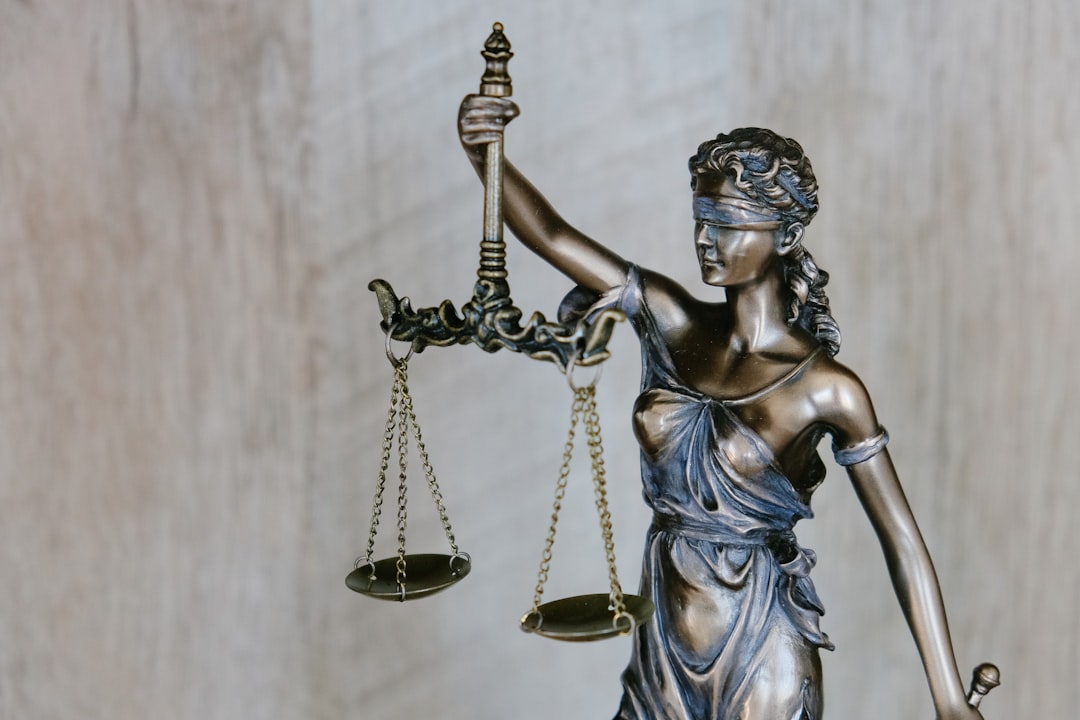
In Minnesota, Do Not Call laws are designed to protect residents from unwanted telemarketing calls, providing them with a level of control over their personal phone lines. These regulations are enforced by the Minnesota Attorney General's Office, which has the authority to take legal action against violators, including telemarketers and call centers that disregard the state's guidelines. The key aspect of these laws is the registration of numbers on the "Do Not Call" list, a move that significantly reduces unsolicited calls.
Minnesota residents can register their phone numbers by visiting the Attorney General's website or by contacting their service provider. Once registered, it becomes illegal for businesses to make telemarketing calls to that number. A notable point is that these laws apply not only to live calls but also to prerecorded messages and text ads, ensuring a comprehensive approach to consumer protection. For instance, in 2022, the Minnesota AG's office successfully sued a national debt relief company for making illegal telemarketing calls, demonstrating the strict enforcement of these regulations.
A 'Do Not Call' lawyer in Minnesota can offer expert guidance on navigating these laws, assisting businesses in adhering to the regulations and helping consumers understand their rights. This legal expertise is crucial in an era where the volume of telemarketing calls has led many to seek relief from persistent unwanted advertising. By understanding and complying with Do Not Call laws, businesses can avoid legal repercussions while ensuring they respect consumer privacy and preferences.
Your Rights: How to File a Complaint

If you're a Minnesota resident who's experienced unwanted phone calls from telemarketers or sales representatives, your rights under state law are clear. You have the right to file a complaint with the Minnesota Commerce Department's Division of Trade Regulation, which can take action against violators, including seeking financial penalties. The first step in asserting your rights is understanding how to file a complaint effectively.
The process begins by gathering relevant information about the violation. Note down the caller's name and phone number if available, as well as the dates and times of the calls. Document any specific products or services mentioned during the calls and any promises made that were not kept. For instance, if a Do Not Call Lawyer Minnesota-based company promised to remove you from their calling list but failed to do so, this detail can strengthen your case.
Once armed with these details, file your complaint online through the Commerce Department's website or by submitting a written statement to their office. Clearly state your issue and provide all relevant information. The department reviews each complaint thoroughly, investigating potential violations of Minnesota's Do Not Call laws. They may contact both the consumer and the business for clarification or additional evidence.
It's important to remember that filing a complaint not only protects your rights as a consumer but also contributes to the broader effort to curb abusive telemarketing practices. By taking action, you become an integral part of maintaining a fair marketplace in Minnesota. Keep in mind that while individual complaints can lead to resolutions, collective action through legal organizations or advocacy groups can bring about more significant changes in legislation and enforcement.
The Role of a Do Not Call Lawyer Minnesota

In Minnesota, do not call violations are a significant concern for consumers, with many individuals falling victim to unwanted telemarketing calls daily. This issue has prompted many residents to seek legal assistance from a specialized Do Not Call Lawyer Minnesota to protect their rights and privacy. These lawyers play a pivotal role in advocating for consumers' rights under the Telephone Consumer Protection Act (TCPA) by ensuring that businesses adhere to do-not-call lists and respect individual preferences for no longer being contacted.
A Do Not Call Lawyer Minnesota possesses in-depth knowledge of state and federal regulations governing telemarketing practices, which are designed to curb excessive calls and protect consumers from intrusive marketing tactics. They assist clients in understanding their legal rights and offer strategic guidance on how to navigate potential violations. For instance, a lawyer can help when a business continues to call despite being listed on the national do-not-call registry or ignores a consumer's clear request to stop receiving calls. By analyzing call records and providing expert testimony, these attorneys can effectively hold companies accountable for their actions (or inactions) under the TCPA.
Moreover, Do Not Call Lawyer Minnesota often assist clients in negotiating settlements with offending businesses, aiming to compensate consumers for their troubled experiences. They also educate clients on how to manage and protect their contact information, empowering them to take proactive measures against future do-not-call violations. Through their expertise, these lawyers foster a more responsible telemarketing industry, ensuring that consumer privacy is respected while providing clarity in navigating the complexities of federal and state regulations.
Common Violations and Their Consequences

Do Not Call Violations in Minnesota often stem from unintended breaches of consumer privacy, but they can also result from malicious intent. Common violations include unsolicited phone calls from telemarketers, automated robocalls, and calls made to individuals on the Do Not Call registry. According to the Federal Trade Commission (FTC), approximately 20% of all consumer complaints in 2022 were related to telemarketing practices, highlighting the prevalence and impact of these violations.
The consequences of Do not call violations can be severe for both consumers and businesses. For individuals, it amounts to a disruption of daily life, potentially leading to stress and annoyance. In some cases, aggressive telemarketing calls have resulted in physical harm or emotional distress. When businesses are found guilty, they face substantial fines, with penalties reaching up to $40,000 per violation under the Telephone Consumer Protection Act (TCPA). For instance, a 2021 case saw a company fined $50 million for repeatedly calling numbers on the Do Not Call list.
To mitigate these issues, consumers in Minnesota should be proactive. Registering for the National Do Not Call Registry is a crucial first step. Additionally, reviewing call history and blocking unknown numbers can offer relief. For businesses, employing robust caller ID systems, obtaining explicit consent before dialing, and training employees on TCPA regulations are essential preventive measures. Engaging a Do not call Lawyer Minnesota can also provide guidance tailored to state laws, helping businesses avoid costly legal pitfalls. Regular audits of telemarketing practices are further recommended to ensure compliance.
Effective Strategies for Consumer Protection

In Minnesota, Do Not Call violations can significantly impact consumers, leading to unwanted solicitations and potential legal repercussions. Effective strategies for consumer protection are crucial to mitigating these issues. One of the primary steps is to educate consumers on their rights and the legal framework surrounding Do Not Call laws. The Minnesota Attorney General's office actively enforces these regulations, often taking action against businesses engaging in excessive or unauthorized calling. For instance, in recent years, several telemarketing companies have faced penalties for violating the state's Do Not Call list, demonstrating the office's commitment to protecting consumers.
Consumers can protect themselves by registering their phone numbers on the national Do Not Call Registry and Minnesota-specific lists. A "Do Not Call Lawyer Minnesota" can provide invaluable guidance on navigating these registries and understanding one's rights under the Telephone Consumer Protection Act (TCPA). Moreover, individuals should be cautious about sharing their contact information and regularly review privacy settings on devices and online accounts to limit unsolicited calls.
For businesses, compliance is essential to avoid legal pitfalls and maintain customer trust. Implementing robust internal policies regarding telemarketing practices, obtaining explicit consent for calls, and maintaining accurate call records can help ensure adherence to Do Not Call regulations. By adopting these strategies, both consumers and businesses in Minnesota can experience a reduction in unwanted calls, fostering a fairer and more transparent marketplace.